
What Happens When You Turn Traditional Piano Thinking on Its Head?

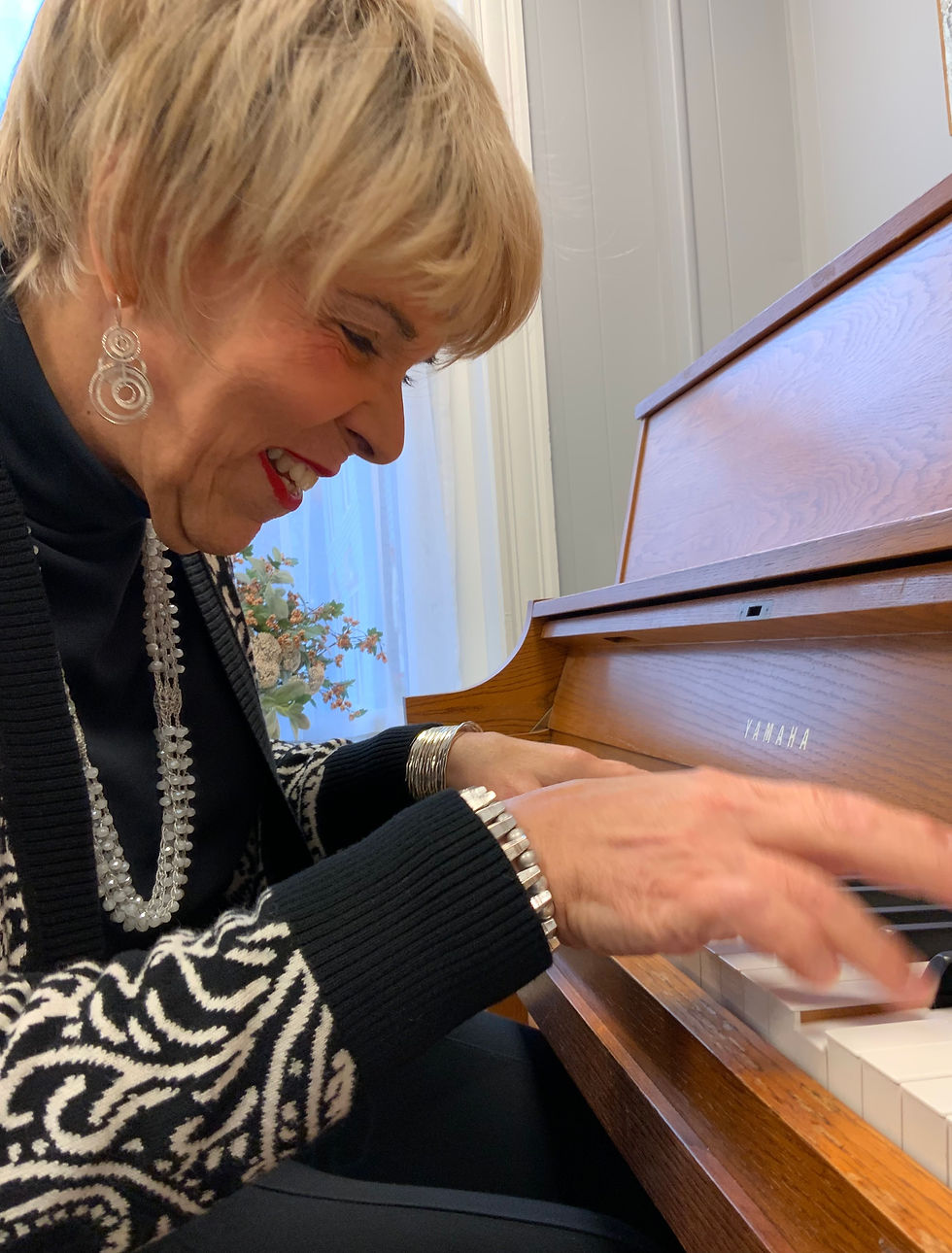
In this blog, I’ll introduce a fresh perspective on piano playing that focuses on a technique capable of transforming your entire approach. You might wonder, how could there possibly be another piano method that revolutionizes the way I play or played in the past?
Considering your question, you may be wondering:
What Is the Traditional Way I Learned—Or Am Currently Learning—To Play Piano Pieces?
What Fresh Approach Can I Use to Play Popular Standards and Timeless Hits on The Piano?
How Can I Achieve My Dream of Playing the Piano with Confidence?
How Can I Bring My Musical Vision to Life?
Why Should I Focus on My Left-Hand Accompaniment First When Playing the Piano?
How Can I Use the Left-Hand Accompaniment to Make My Music Sound Better?
What Is the Traditional Way You Learned—Or Are Currently Learning—To Play Piano Pieces?
In the traditional piano method, learning involves reading music and practicing each hand separately before combining them. This classical approach—perfect for Beethoven or Chopin—often carries over when adult piano students attempt to play popular songs. Many people buy sheet music for their favorite tunes and approach them the same way they would a nocturne, minuet or sonata.
While this method works beautifully for classical pieces, it often lacks the flexibility and creativity that can make other genres, like jazz, swing, or pop, come alive.
What Fresh Approach Can You Use to Play Popular Standards and Timeless Hits on The Piano?
When it comes to playing timeless songs—whether standards from the Great American Songbook (like works by Gershwin, Cole Porter, Rodgers and Hart, or Jerome Kern), Broadway favorites from shows like Phantom of the Opera and Les Misérables, classic Beatles tunes, or jazz masterpieces—you might consider stepping away from traditional methods. Instead of relying solely on sheet music and note-by-note precision, a new approach can help you interpret these beloved songs with creativity, freedom, and enjoyment.
Playing Songs with Chords
If you’ve ever played guitar, been part of a pop, rock, or folk group, or even just dabbled in music, you might find chord symbols familiar. These are the letters (like C, G7, or Dm) written above the melody line. Instead of following the exact notes written in the lower staff, you can use these chord symbols to create your own left-hand accompaniment. This gives you more freedom and flexibility, like strumming chords on a guitar. At the same time, your right hand will play the melody, which is written in the upper staff.
How Most People Play Songs on the Piano Using Chord Symbols
You start by playing the melody with your right hand—it’s the part of the song you know and love.
Next, you use the chord symbols (letters above the staff) to guide your left hand. If you’re unsure about any chords, a chord book or chart can help you find the right notes.
Once you’re comfortable with both hands, combine them: you play the melody with your right hand while “plunking down” the chords with your left. Suddenly, you realize—“Wow, I’m playing Somewhere Over the Rainbow!”
That’s an incredible achievement. Congratulations on your accomplishment. It’s time to celebrate!
But is this what you had in mind when you decided to paly songs? Probably not.
Like many adult learners, you dream of playing the piano with skill, ease, and style. You want your music to shine with colorful embellishments, a steady beat, and the expressiveness that captures your emotions. You can even picture yourself at a gathering, playing beautiful music as friends and family tap their feet and applaud with heartfelt appreciation.
Although this is your dream—like one of my former students named Greg who wanted to play piano on a cruise ship—you know it won’t happen overnight. And yes, it’s natural to feel hesitant about the challenges that come with learning. The thought of tackling tricky parts and committing to regular practice may seem daunting at first. However, here’s the truth: when you dedicate time, energy, and patience to your lessons and practice, you will unlock the joy of real progress. Each small step will bring you closer to your dream of playing the piano beautifully and confidently, turning your vision into reality.
How Can You Bring Your Musical Vision to Life?
Let me tell you about why playing piano with chords the way many people typically do won’t fully bring your musical vision to life.
Here’s the issue: imagine playing guitar while singing. You strum the first chord, continue strumming as you sing, and switch seamlessly to the next chord. The sound has rhythm, flow, and energy. You might be wondering, “If the guitar works so well, why play the piano?” Beyond its beautiful and rich sound, the piano allows you to create two independent parts—one for each hand—that blend to form full, dynamic music, from Bach to the Beatles. While some guitarists can play intricate solo pieces, the instrument doesn’t always provide the fullness that the piano does.
For example, legendary jazz guitarist Joe Pass could play walking bass lines and chord melodies, but in a solo setting, his one-hour performance could feel more restrained. Contrast this with pianist Dave McKenna, who played solo for four hours a night, six nights a week, at the Copley Plaza Hotel in Boston. The piano’s ability to produce melody, harmony, and rhythm simultaneously gave him the creative space to sustain his musical expression.
Despite its rich, resonant sound, the piano lacks the natural strumming capability of the guitar. Because of this, simply playing chords by striking them and letting them sit can make the music feel static. Unlike the rhythmic movement and dynamic energy created by strumming a guitar, this approach on the piano can result in a sound that feels flat and lifeless.
To truly bring your piano playing to life, you need to play your chords in a way that adds rhythm, texture, and flow—transforming your music into something vibrant and expressive. You absolutely can achieve this, and I’ll show you how!
The Breakthrough That Transformed My Chord Playing
Early in my musical journey, I stumbled upon a solution that completely changed the way I play piano using chord symbols. This approach will help you unlock your full potential as a pianist and bring your vision to life.
At 20 years old, after playing piano for a few years, I bought a Hammond B3 organ, because I was captivated by the sounds of legendary organists like Jimmy Smith and Richard “Groove” Holmes. These musicians created rhythmic and grooving bass lines with their left hands replacing the upright bass used in traditional jazz piano trios. Inspired by their playing, I began incorporating bass lines not just on the organ but on the piano as well.
A few years later, while performing solo piano at the Sheraton Boston, I would walk to the nearby Copley Plaza Hotel after my sets to listen to the great pianist Dave McKenna-known for his solo piano playing. McKenna’s mastery of left-hand accompaniment—especially his walking bass lines—was mesmerizing. Although I never formally studied with him, observing and listening to his performances taught me invaluable lessons about creating motion and rhythm with the left hand.
These experiences shaped my approach to playing chords, transforming static sounds into lively, flowing music. By learning to bring rhythm and movement into your left hand, you can make your piano playing dynamic and full of life.
Why Should You Focus on Your Left-Hand Accompaniment First When Playing the Piano?
From that point forward, I made it a priority to focus on left-hand accompaniment patterns—like walking bass—in my own playing. I also began integrating this concept into my piano teaching in a clear and systematic way. When tackling a new song, I emphasized learning the left-hand accompaniment pattern first before introducing the right-hand melody. I call this: “The Upside-down Approach to Piano Playing”.
For many students, this was a true “aha” moment. By breaking the process into manageable steps, they could achieve a sense of rhythm, flow, and confidence early on.
This teaching approach created a direct, effective path to more dynamic and personalized piano playing. It gave my students the tools to make music that not only sounded professional but also felt alive and expressive.
How Can You Use the Left-hand Accompaniment to Make Your Music Sound Better?“The Left Hand Is the Count Basie Band” -
What does this concept mean?
If you’ve ever heard Frank Sinatra, Tony Bennett, or Ella Fitzgerald sing, you’ve probably noticed how freely they interpret melodies, adding their own style and flair far beyond what’s written in the sheet music. But this freedom relies on a solid foundation—a strong beat and rhythm section. For Sinatra, Tony, or Ella, the Count Basie band often provided that steady, driving support, allowing the singers to shine.
The same principle applies to playing the piano. To transform your playing, focus on developing the left-hand accompaniment first. Think of it as your Count Basie band, laying down the rhythm and structure. Once the left hand provides a steady, confident foundation, you can layer the melody in your right hand above it with more freedom and flow.
At first, this approach feels counterintuitive. For example, when adult students start learning with me, we often use simple songs like Pop Goes the Weasel or When the Saints Go Marching In. Sounds easy, right? But many students instinctively focus on the right-hand melody and struggle to coordinate it with even a simple left-hand part.
The solution? We slow down, count carefully, and practice the left-hand accompaniment on its own. As soon as students establish that steady rhythm—the Basie band effect—the music begins to take shape, and suddenly, everything falls into place.
My adult piano students have realized that mastering left-hand accompaniment can significantly improve the quality of any piece they play, regardless of their skill level. This concept isn't just limited to pianists though. If you play an instrument like the flute, saxophone, violin, trumpet, or if you sing, focusing on your part ABOVE the piano accompaniment brings multiple benefits. You’ll find it easier to stay in tempo, hear how your part aligns with the chords, and enjoy greater expressive freedom in your playing or singing. This solid rhythmic and harmonic foundation will help you create a more cohesive and dynamic musical performance. It’s wonderful!
To learn about five different left-hand accompaniment patterns, sign up for my free piano course: Five Accompaniment Styles for Pianists
Conclusion
I wrote this chapter to share a concept that has had a profound impact on both my piano playing and that of my students. When you reawaken the music within and choose to start playing the piano as an adult, your goal is to make music—not just play notes. Treating your left hand like the Count Basie Band can be truly transformative.
By shifting how you think about your playing—especially the role of your left hand—you’ll unlock greater rhythm, movement, and expression in your music. Your left hand won’t just provide chords; it will drive the groove, much like the Count Basie Band set the pulse for legends like Sinatra, Ella Fitzgerald, and Tony Bennett. This approach opens endless creative possibilities, making your piano playing feel full and alive.
I’ve embraced this style for years, and last year, I had several opportunities to perform solo in front of audiences of about one hundred people. With my left-hand accompaniments fueling the rhythm, I held their attention, playing entirely on my own—earning thunderous applause and even standing ovations. This approach works! Start today and see where it takes you.
For more information about this topic, check out my blog article:
Ready to Get Started?
Can I Really Learn to Play in a New Way as an Adult? Yes, you absolutely can—and piano lessons are a great way to begin. Many of my adult students first hear about thinking differently when it comes to playing the piano wonder if it’s too jazzy or too advanced. But once they start working with it—step by step—they’re amazed at how fun, accessible, and rewarding it becomes.
Whether you’re returning to the piano or starting after playing another instrument, you don't have to be an expert, you just need curiosity, patience, and someone to guide you through the process. That’s where lessons come in. I’ll help you build confidence, understand how different accompaniment patterns work, and learn to play them in ways that feel musical and natural.
Why not give it a try?
Piano lessons with Diana Mascari are designed specifically for adults like you—creative, motivated, and ready to enjoy the piano on your own terms.
Let’s get started!
Has the concept of thinking differently when playing the piano sparked your curiosity in a way that helps you to imagine how exciting it would be to learn how to turn your musical ideas into a composition. When you take Composition lessons with Diana Mascari, not only will you be able to create your own musical works, but you'll also have knowledge and insights as to how to play the piano better.
Time to explore your creativity!
Whether you're a beginner or returning to music after years away, I’ll help you turn understanding into creativity and confidence.
Schedule Your Free 30 Minute Consultation with Diana Mascari, You can discuss piano lessons, composition lessons as well as your musical interests and goals. Click Here:
About Diana Mascari
American Composer &. Jazz Pianist
Teacher of Piano & Composition for Adults

Diana Mascari
American Composer & Jazz Pianist
Teacher of Piano & Composition for Adults
Diana Mascari has taught piano to hundreds of students for more than 47 years. She is dedicated to enriching her students’ lives by supporting their individual musicality.ition L She has developed a teaching system called the Transformational Approach to Piano. It offers her students colorful musical insights that broaden their experience beyond traditional methods.
Diana holds two Masters of Music degrees from New England Conservatory, taught keyboard harmony to music majors at Boston University, and was the music director of a multicultural Presbyterian Church for four decades.
Diana has performed as a solo jazz pianist as well as with her ensembles at many colleges and jazz clubs throughout New England. Many of these performances featured Diana's jazz compositions.
As a composer, she has explored the intersection of jazz and classical music. Her compositions reflect her deep appreciation for musical structure, enhanced by the spontaneity and emotion of jazz. Each piece has a timeless sense and is designed to move and inspire. Her works have been performed in Europe, Japan, and the Eastern United States.
Diana’s vibrant personality infuses her teaching, performing, and composing as she inspires piano students to achieve their musical goals.
Two Free Piano Courses:
To schedule your FREE 30 Minute Consultation for Composition Lessons or Piano Lessons with Diana Mascari on Zoom
Click Here:


Comments